
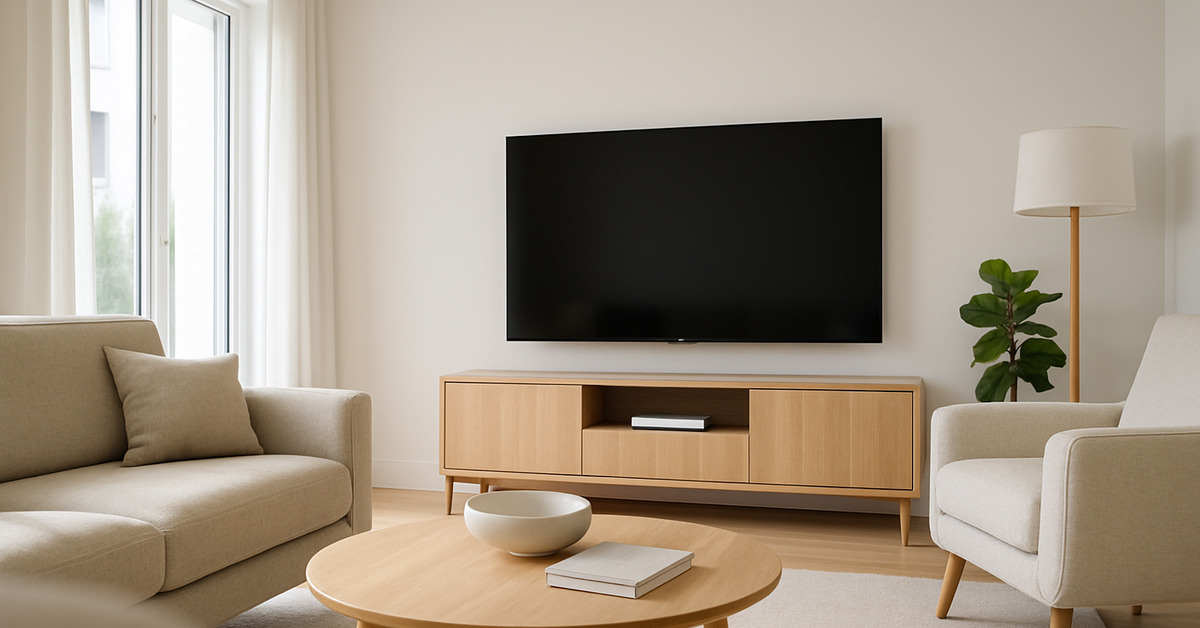
Walking into a living room with visible wires creates tension. It interrupts the focus of the TV and the look of the wall. Many homeowners throughout Naples and Fort Myers ask for ideas, plans, and methods that feel neat. The question often comes up: How to hide TV cables in wall Fort Myers?
A homeowner may mount a flat-screen above a console or fireplace, then notice scattered cords that draw attention. The space never feels finished until those lines disappear. Gulf Coast Installations assists with this challenge daily, and their installation work covers structured routing, wall mounting, and placement plans for long-term results. Our team can be reached at (239)-682-1077, offering clean and professional TV installation services for homeowners looking to upgrade a room without extra clutter. No job or TV is too big or small for Gulf Coast Installations, and service covers both Naples and Fort Myers, Florida.
Hiding cords inside a wall allows a room to feel more structured. It takes more than curiosity. It requires planning, tools, awareness of the home’s layout, and a steady hand during execution. Instead of thinking through quick fixes that only work for a few days, the long-lasting method involves placing wires inside the cavity of the drywall. This type of setup looks sleek, saves floor space, and gives the installation an industry professional feel. The following guide provides structure to the entire process: understanding the wall itself, choosing equipment, cutting openings, routing cables, and securing everything for the long haul.
Understanding why homeowners search “How to hide TV cables in wall Fort Myers”
In a growing market like Fort Myers, buyers notice presentation first. Clean lines and clutter-free layouts support resale goals and comfort. As TV screens increase in size, homeowners search for solutions that maintain order. A mounted television works best when the wires run vertically through the wall cavity, meeting an outlet behind the device or near the console below. A room used for entertainment should feel inviting, structured, and consistent. Visible cords contradict that environment.
Many homes in Naples and Fort Myers feature drywall construction, which supports this type of cable routing. It allows for cut-outs that open just enough space to feed HDMI, coaxial, optical, or power cables between studs. With proper planning, you can pull wiring through the wall and leave zero clutter behind.
What to know before starting
The first step demands an assessment. You look at the size of the TV, the location of studs, and the placement of outlets. You also determine where cables will enter the wall and where they will exit. The question of How to hide TV cables in wall Fort Myers starts here—behind the surface, structure matters.
Before cutting into drywall, confirm that electrical wiring or plumbing does not sit in the area. A stud finder with built-in wire detection helps a homeowner avoid surprises. A small investment in tools prevents damage and cost later. Once safe placement is mapped, the remaining steps follow a more predictable flow.
Below are items normally required:
- Stud finder
- Drywall saw
- Low-voltage mounting plates
- Fish tape or cable puller
- HDMI and power cords of correct length
- Pencil for marking
- Tape measure
- Screwdriver
- Vacuum for debris control
Planning the exact entry and exit point for wiring
Placement matters. A cable routing system works best with two openings: one behind the TV and another near an outlet. You measure twice before cutting. You mark the wall while holding the TV mount against the surface. Precise marking avoids alignment issues once everything goes through the wall.
Once marks are made, one cuts a small drywall opening using a keyhole saw. This must match the size of the mounting plate. The fit should feel tight without excess gaps. Cutting with control prevents chips along the edge. It should look like a neat rectangle or circle, depending on the chosen product.
Making both cuts before routing the cables will save time. It allows clearer cable movement through the wall cavity. A homeowner avoids reaching blindly or creating larger openings than necessary.
Running wires through the wall directly
After openings are complete, routing begins. A cable fish tool moves downward through the stud bay until it reaches the lower access point. You connect the wires to the end of the puller, then feed them upward or downward, depending on the location of the outlet. The phrase How to hide TV cables in wall Fort Myers comes to life here—the act of pulling cords into the wall cavity cleans the entire scene.
During the pull, each cable must move freely without excessive force. Tug gently. Rushing could cause friction and damage to connectors. Try to keep wires separated so that HDMI cords do not twist around power cords. Neat flow inside the wall improves signal quality and lifespan.
Once routed, you attach the low-voltage plate with screws. This plate finishes the opening with a clean frame, hiding drywall edges. It also keeps wires from sagging or slipping back inside the wall over time.
Securing cables and placing the TV mount
After wiring sits where it belongs, the TV mount installs next. You anchor the mount directly into studs. Following factory torque guidelines ensures the TV holds steady without movement. A misaligned mount forces strain on brackets and could eventually shift. Check for level alignment with a simple bubble level.
Tighten bolts carefully but not excessively. Each step aims for a professional result that fits the wall and the weight of the screen. With cables already behind the wall, the mount hides all connections immediately.
Once mounted, plug cables into the rear ports. You should feel smooth engagement without bending or strain. The TV now sits centered, wires hidden, and placement secure.
Reviewing cable management routes for long-term use
The goal does not end at installation. You also think ahead to future upgrades. Someone may add a soundbar, gaming console, or streaming device later. Planning extra cable space makes upgrades easier. Running one or two empty pull strings inside the wall speeds future additions. When new cables enter the setup, one attaches wires to a pull string and guides them through with zero extra cutting.
Homeowners in Fort Myers often update electronics every few years. Allowing space for growth reduces future labor. It also protects drywall from repeated modifications. When done with care, the work lasts well beyond the lifespan of a single device.
Local considerations for homes in Fort Myers
Humidity, temperature shifts, and coastal elements affect interior components. Many homes near the Gulf require strategic sealing around low-voltage plates, especially on exterior walls. Any air movement through the cavity increases dust circulation. With sealed edges, cables stay cleaner and connections last longer.
If the wall backing contains insulation, move slowly. Insulation compresses easily and may restrict the pull. Create a channel by hand if reachable, or use rods instead of fish tape for more control.
Older Fort Myers homes may include thicker plaster walls rather than modern drywall. This changes the approach slightly. Cutting takes longer and requires patience. Some walls include metal lath behind plaster, which complicates fishing. In this case, homeowners often contact installation professionals to complete the work.
Reasons many homeowners hire specialists instead
Even with knowledge of How to hide TV cables in wall Fort Myers, some homeowners value time and peace of mind. A professional brings tools, anchors, and wiring options that streamline every step. Missteps lead to extra cuts, patching, painting, and rework. Gulf Coast Installations manages mounting, in-wall routing, electrical placement paths, and finish detailing. Their team supports both Naples and Fort Myers residents, delivering results that last long-term.
For complex setups such as hidden outlets, fireplace mounting, or stacked component placement, professional installation prevents damage. A specialist evaluates the stud layout and load rating, then executes the work with accuracy.
Maintenance and accessibility after installation
After cords disappear inside the wall, maintenance remains simple. Dust cords at visible connection points every few months. Ensure power cords sit firmly. HDMI cables should not wiggle or force tension against the wall plate. When switching devices, use the same path. The wall plate opening keeps lines organized.
If a cable fails or loses signal, replacement follows earlier routes. Pulling cords out and placing new ones usually takes minutes. That simplicity results from careful planning during the first installation.
FAQs
How long does it take to complete cable routing inside a wall?
Most simple installs finish in one to two hours. Larger televisions or complex layouts require additional time.
Can I place a power outlet behind the TV inside the wall?
Yes, but electrical work requires awareness of code and safe execution. Many people hire a licensed installer or electrician for this step.
Will insulation cause trouble when routing cables?
Some insulation slows progress. Creating a clean channel or using stiff rods often solves this.
Should I hide cables above a fireplace?
Yes, but temperature control matters. Confirm the wall does not expose wires to heat that exceeds safe conditions.
What cable types run inside a wall?
Low-voltage cabling such as HDMI, optical, Ethernet, and coaxial move inside walls with low-voltage plates. High-voltage power routing requires approved electrical solutions.
Final thoughts on How to hide TV cables in wall Fort Myers
When wires hide behind a wall, the room feels cleaner. A mounted screen stands without distraction. The steps take time, but the outcome transforms a plain visual layout into something structured and focused. From measuring, cutting, routing, securing, and finishing, each action supports long-term performance and organization. Homeowners searching How to hide TV cables in wall Fort Myers often start with the goal of hiding clutter, then realize it improves function too. If the process seems complex or time-consuming, Gulf Coast Installations stands ready with wall mounting and TV installation services across Naples and Fort Myers. Call (239)-682-1077 or visit the contact page to schedule assistance. No device or screen poses too much work for the team.
Cable chaos ends when you learn how to hide TV cables in wall Fort Myers the right way.